About the program
English-speaking college graduates and young professionals, mostly aged 20-35, with at least a basic commitment to traditional observance and the ability to read Hebrew.
A men's yeshiva teaching text skills in Gemara, Chumash, halacha and hashkafa, with long-term (6 months or more), medium-term (3-6 months) and short-term (1-3 months) options and part-time or full-time study. The yeshiva follows a calendar of roughly nine months of learning a year and runs tiyulim, guest speakers and Shabbat programs. Single and married students are accepted.
The facts
- Run by
- Shapell's/Darché Noam, which runs 2 programs listed here
- Type
- Yeshiva
- Location
- 5 Beit HaKerem St, Jerusalem
- Dean & Rosh Yeshiva (Rabbi Karlinsky); Rosh Yeshiva (Rabbi Schoonmaker)
- Rabbi Shaya Karlinsky; Rabbi Dovid Schoonmaker
- Founded
- 1978
- Program length
- Five zmanim a year; students can come for a week, a month or a year, and the FAQ recommends a full zman. 2026-27: Elul zman from August 16, 2026; Fall zman October 12, 2026 to January 7, 2027; Winter zman January 11 to April 7, 2027; Spring zman May 9 to June 3, 2027; Summer zman in two parts, June 6 to August 12, 2027. Elul zman 2027 starts September 5, 2027.
- Number of students
- Generally 40-50 students (per the FAQ)
- Tuition
- Not published on the program's website. Ask the program.
- College credit
- The FAQ says Shapell's can provide a transcript listing the courses taken.
- Masa
- The program's website says it is a Masa Israel program.
- Housing and meals
- For full-time students under 30, a dormitory in the yeshiva building (a converted hotel); rooms have closets, linen, bathrooms, showers and air conditioning, with laundry facilities and WiFi. Three meals a day.
- Tracks and options
- Married Couples Program
- Executive Learning Program
- Virtual Bet Midrash
See it for yourself
The yeshiva's own videos. Each one plays from YouTube only when you press Play. We don't copy photos from the yeshiva's website, so their own pages are linked instead.
MRC Students: Creating a Torah Inspired Life!
Plays from YouTube, which will see your device's internet address and may set cookies.
Gush Etzion Tiyul 5779 - A "Drone's Eye View"
Plays from YouTube, which will see your device's internet address and may set cookies.
Married Couples Program 2021
Plays from YouTube, which will see your device's internet address and may set cookies.
Their pages elsewhere
Linked from the yeshiva's own website.
The year in detail
As their own website describes it. A missing heading means their site didn't say.
- The year's dates
- A traditional yeshiva calendar of about nine months of learning a year. The year starts on Rosh Chodesh Elul with a six-week Elul zman, then a winter zman from Rosh Chodesh Cheshvan to about two weeks before Pesach. New students can start at any of five start dates a year.
- Learning and the daily schedule
- Mornings are Gemara in small classes: a short hashkafa shiur, chavruta learning in the beit midrash, and a shiur on Gemara language and structure. Afternoons cover Hebrew, Chumash, Halacha and Jewish thought at several levels, plus a monthly Holocaust Education Program. After dinner there's night seder with short classes. Optional classes and a weekly mussar talk fill in the rest of the day.
- Shabbat
- Every third week is an "in-Shabbat" with a visiting faculty member, and a few times a year the yeshiva visits communities in Israel. On other weeks students can go away or stay, and the yeshiva holds davening and a kiddush every week.
- Campus and housing
- A former hotel in Bet Hakerem with the beit midrash and library, dining room, classrooms and a courtyard. Students live in the yeshiva building, two or three to a room; each room has air conditioning and its own bathroom. Catered meals.
Applying
How they take applications
Send a short pre-application at any time; a member of the team gets in touch for a conversation, and if the program fits, sends the full application (an essay, two references and a medical form). Most students are 20 to 35, with at least a basic commitment to traditional observance and the ability to read Hebrew letters. The FAQ says needs-based scholarships are available once accepted, and points to Masa grants. Their admissions page (opens in a new tab).
Keep track
Add it to your application tracker, see the usual application timeline, or compare it with other yeshivas.
Where it is
On their website: 5 Beit Hakerem Street, Jerusalem
See it on the map
The map loads its pictures from OpenStreetMap, a free public map. When it loads, OpenStreetMap sees your device's internet address. Everything on the map is also written out on this page.
Pin placed at the address on their website.
Open this spot in Google Maps (opens in a new tab) · See every yeshiva on the map
Nearby
Straight-line distances, to give a sense of the area. Roads are longer.
- Hebrew University, Givat Ram1.1 km · 0.7 mi
- Central Bus Station and Yitzhak Navon train station1.4 km · 0.8 mi
- Mount Herzl1.4 km · 0.9 mi
- Sacher Park1.5 km · 0.9 mi
- Israel Museum1.5 km · 0.9 mi
- Ben Gurion Airport38.3 km · 23.8 mi
Yeshivas closest to it
- Machon Meir (English Department)500 m · 0.3 mi
- Yeshivas Imrei Binah1.3 km · 0.8 mi
- Yeshivat Dvar Yerushalayim (The Jerusalem Academy of Jewish Studies)1.3 km · 0.8 mi
- Yeshiva Toras Chaim1.5 km · 0.9 mi
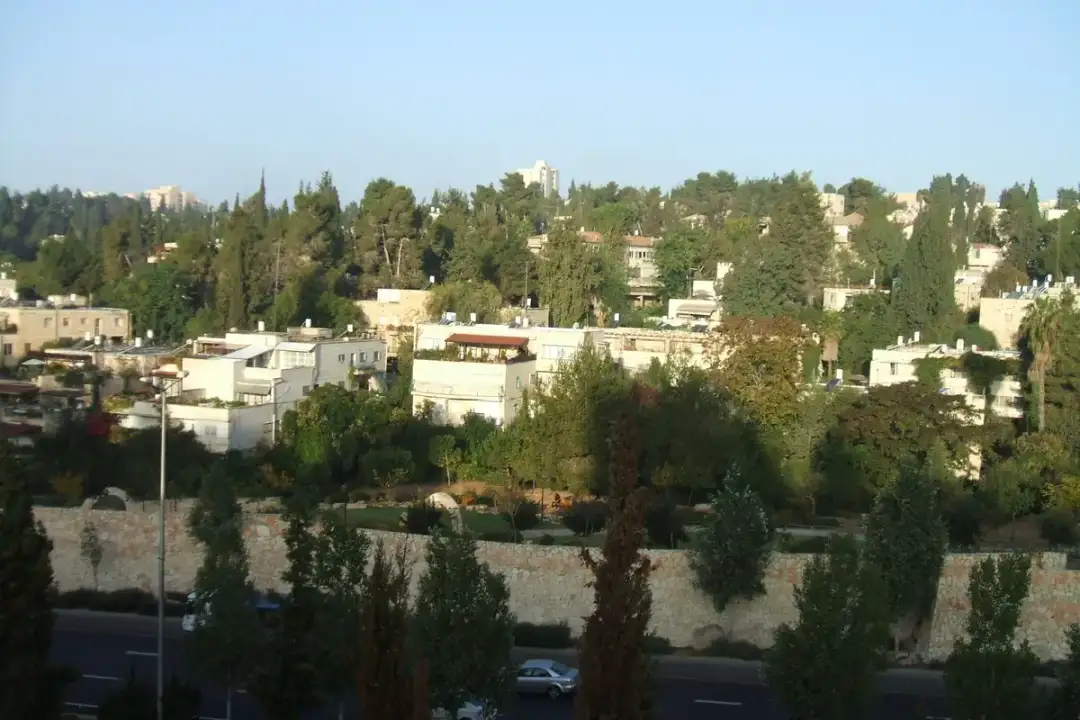
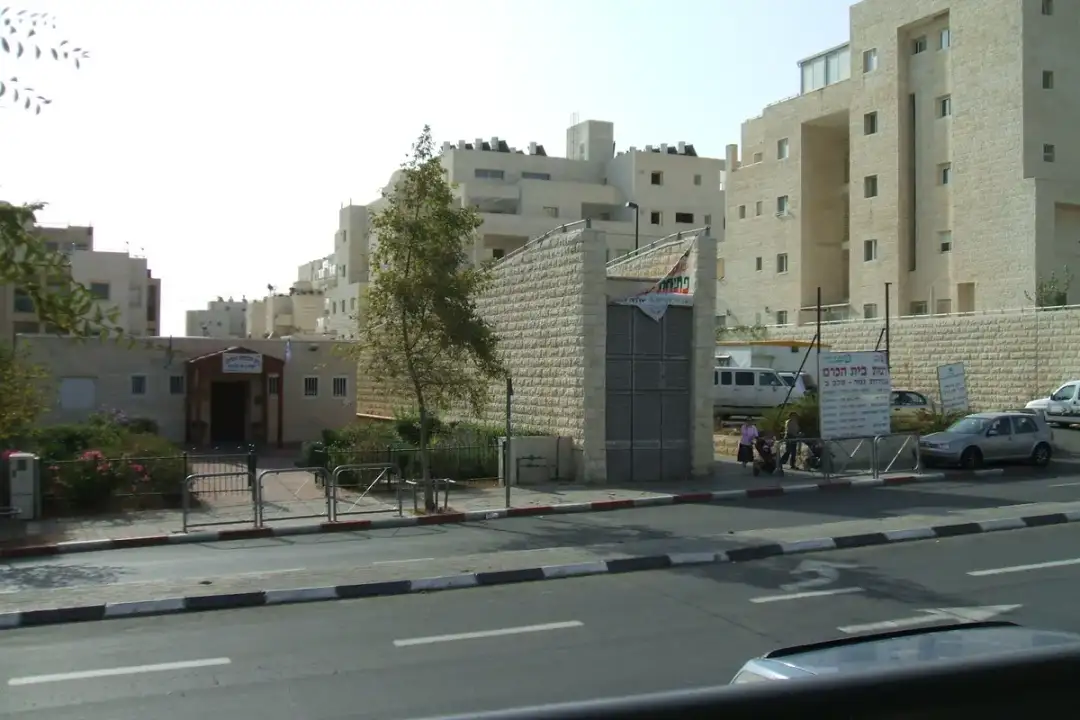
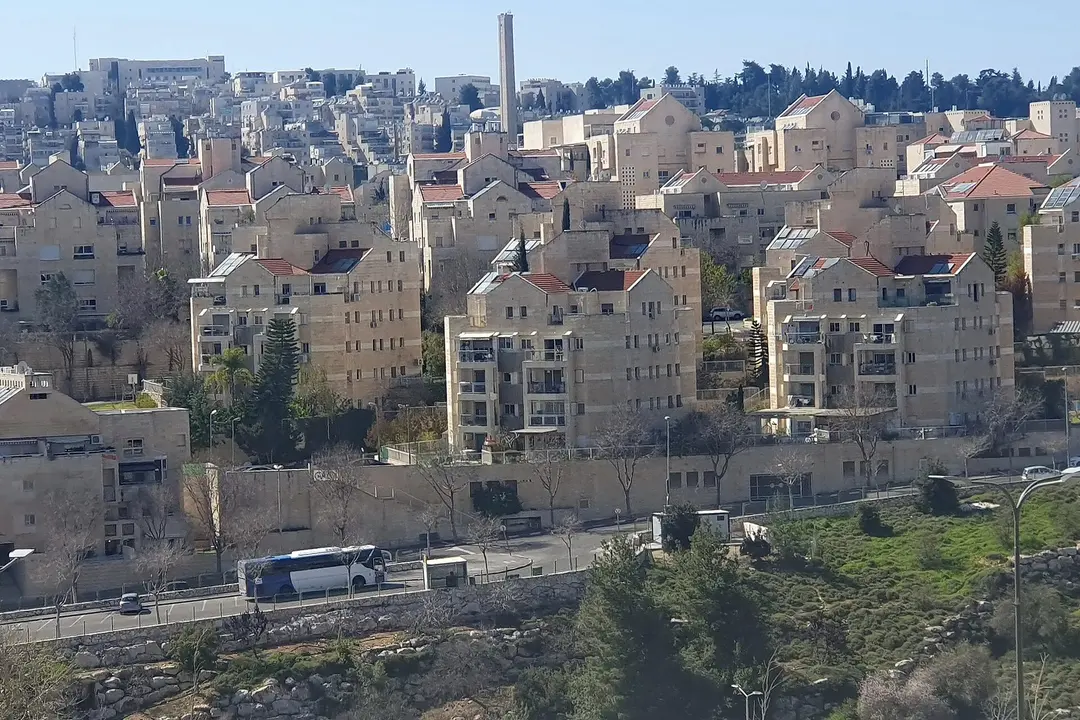
The area in pictures
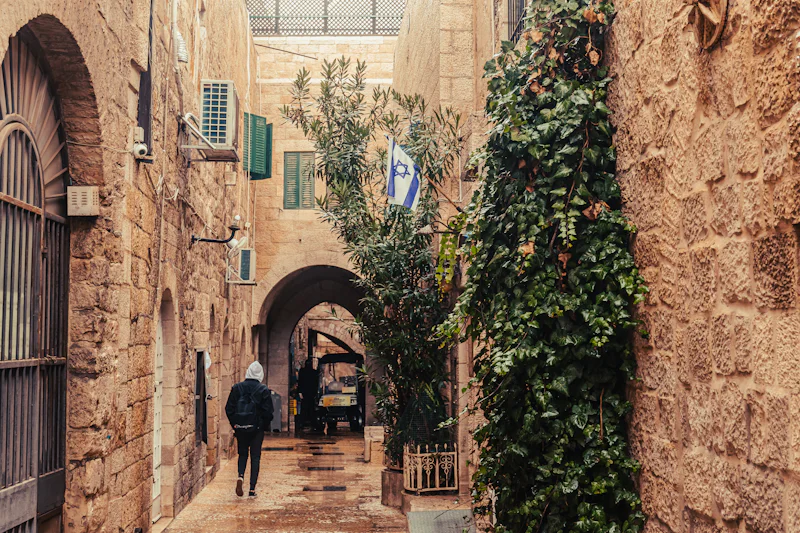
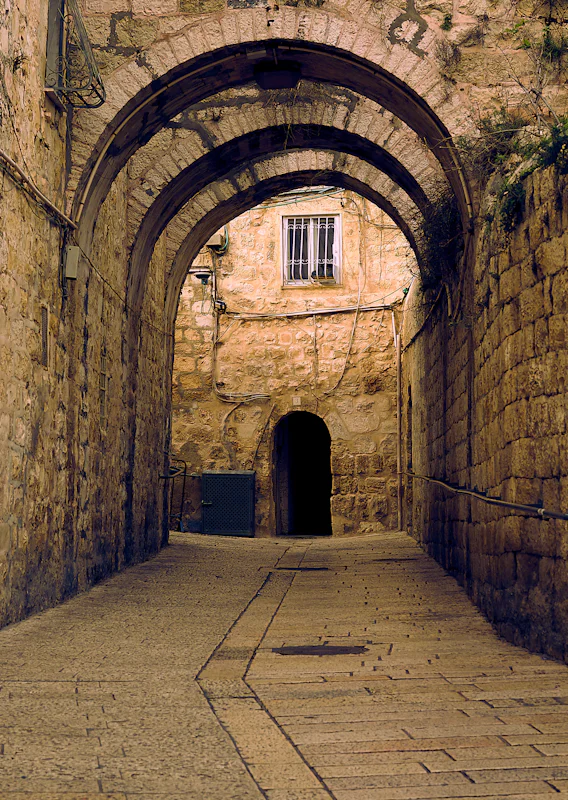
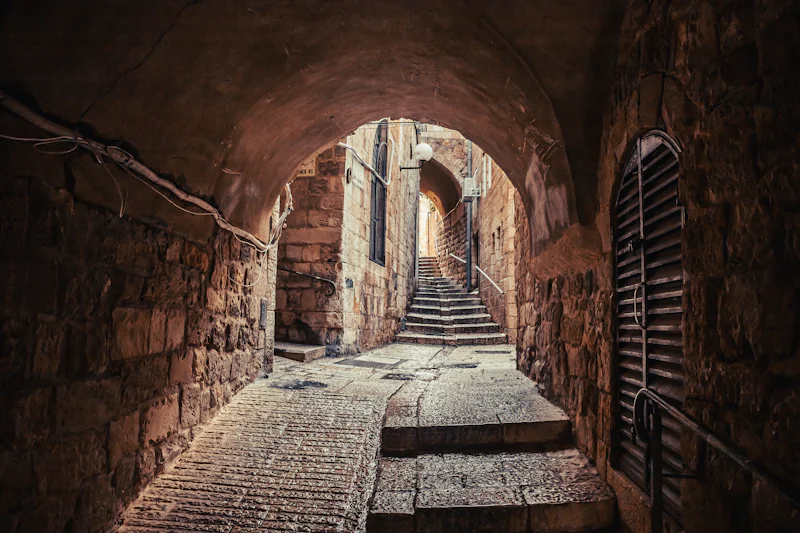
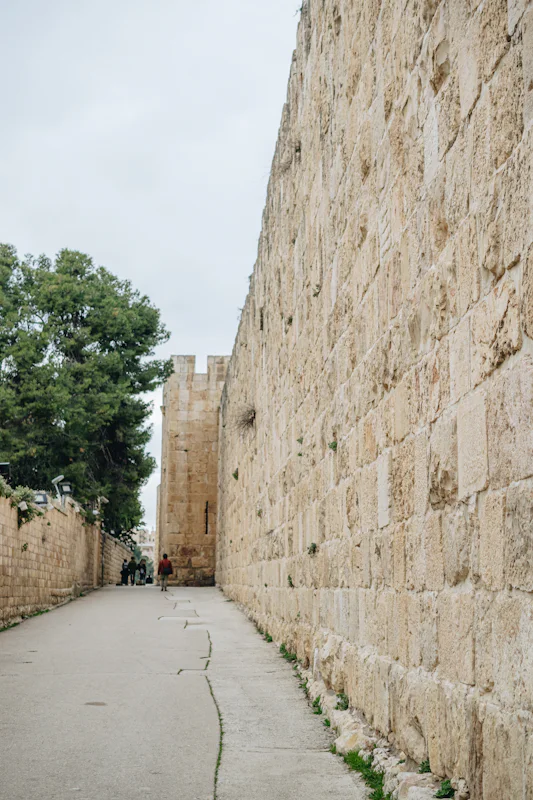
These show the neighborhood or town, not the yeshiva itself.
Where the details above come from
Read on shapells.org on October 29, 2026:
Daily life in Jerusalem
From Jerusalem Local, a city guide by the same publisher.
- On the Jerusalem Local map
Address and pin, with the pharmacies, seforim shops and laundries nearby
- Jerusalem for seminary and yeshiva students
Visa, phone and Rav-Kav, Shabbat, urgent care, safety
- A seminary or yeshiva year in Jerusalem
The practical guide for students and parents
Where this information comes from
Everything on this page was taken from the program's own website and last checked on October 29, 2026. Details change, so confirm with the program before you rely on them. The photo shows Old City walls, Jerusalem, not the program or its campus.
- https://www.shapells.org/
- https://www.shapells.org/about-us
- https://www.shapells.org/faq
- https://www.shapells.org/apply
- https://www.shapells.org/faculty
- https://www.shapells.org/contact
Work at this program, or spot a mistake? Send a correction and it will be fixed.